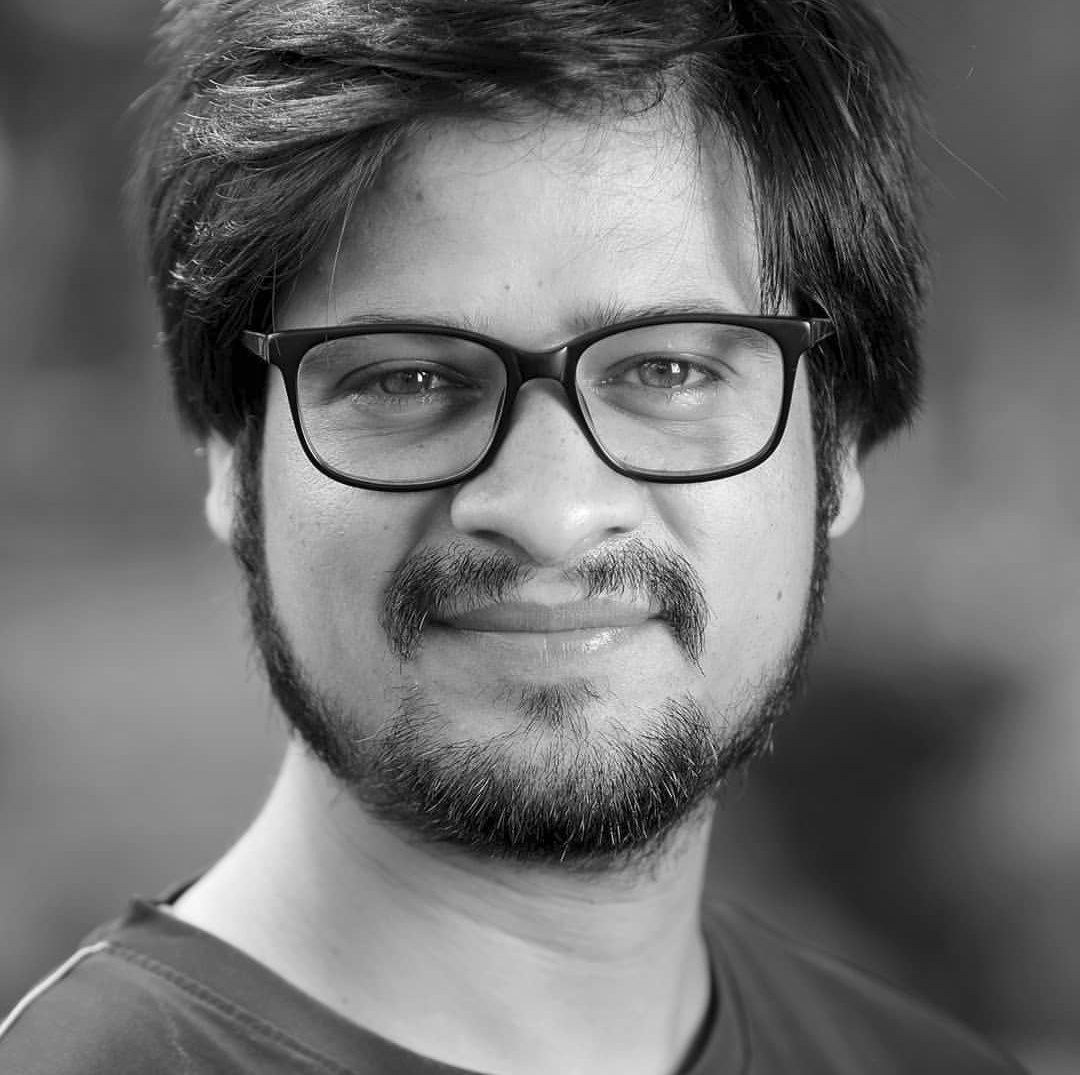
The kashmiri theatre artist and academic Junaid Ahmed Rather introduces modern kashmir theatre and the trends of performing arts in the Indian valley of Kashmir.
KASHMIR has always been far more than a land of stunning landscapes. It is also a living archive of language, memory, performance and inherited cultural expression. Yet today, that rich inheritance stands at a fragile crossroads. Linguistic decline, economic strain and shifting social realities have placed Kashmir’s artistic identity under pressure. Still, in the middle of this uncertainty, a strong and living resistance continues to emerge led by artists, storytellers and a new generation determined not only to preserve their roots but also to reshape their future.
A Language Reclaimed by Its People
At the heart of Kashmir’s cultural life lies its language. Kashmiri, an ancient Indo-Aryan tongue, carries within it centuries of poetry, folklore and collective memory. But in everyday life, it is increasingly yielding ground to Urdu and English, languages more closely tied to education, media and social mobility.
Even so, Kashmiri has not disappeared from the public imagination. Young digital creators such as Muneer Ahmad Dar, known as Muneer Speaks and Tauqeer Ashraf, known as Keashur Praw, are bringing it back into daily conversation through online platforms. Muneer evokes the warmth of traditional Kashmiri settings through humor and nostalgia, while Tauqeer reconnects audiences with literary heritage by reviving the works of Sheikh-ul-Alam and Rasul Mir, often making them more accessible to younger viewers through translation and interpretation. Their work is more than content creation. It is an act of cultural revival. Despite limited financial reward and the constant challenge of staying authentic, they continue to carry Kashmiri into new spaces where it can survive, adapt and grow.
Bhand Pather in Transition
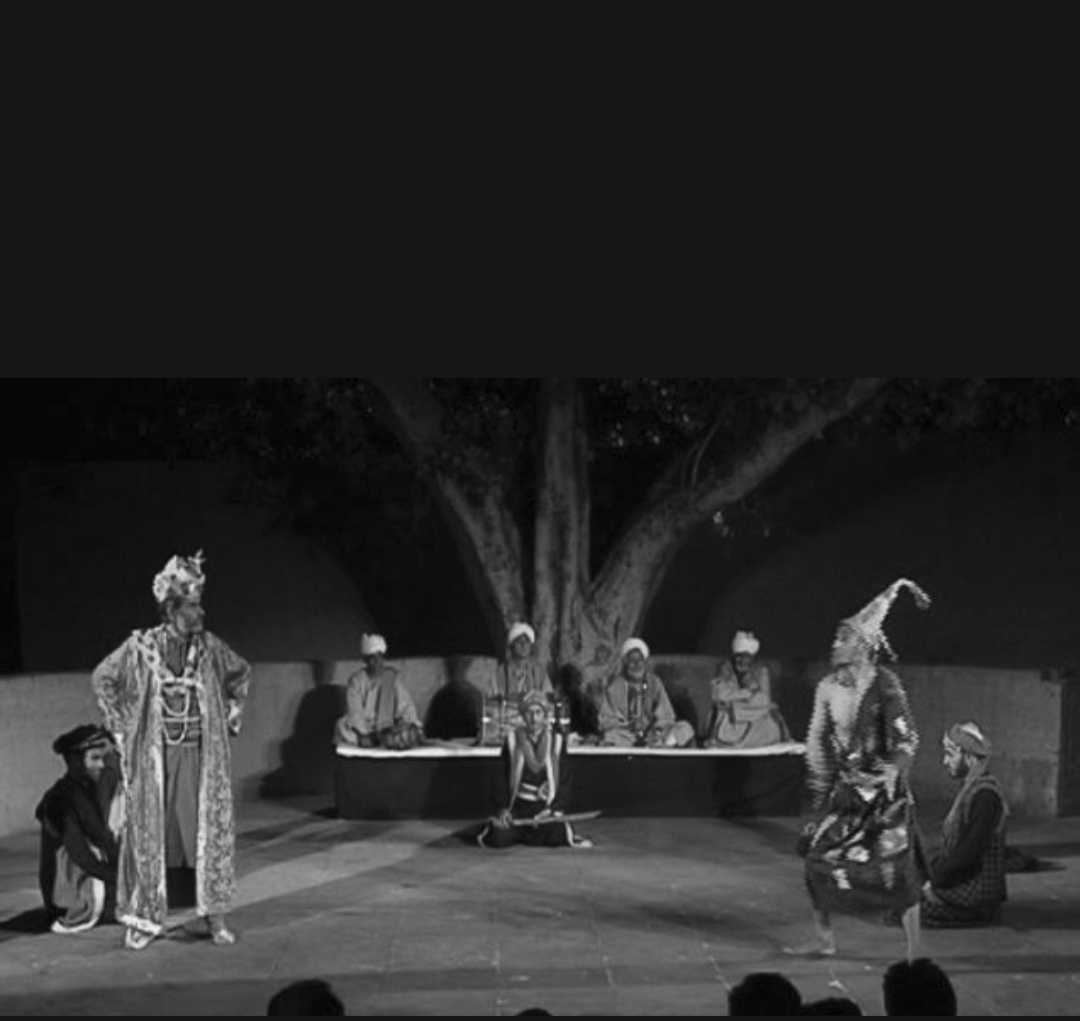
If language gives identity its voice, theatre gives it form. Bhand Pather, Kashmir’s centuries-old folk theatre tradition has long served as a social mirror, using satire, music and physical performance to reflect the realities of everyday life.
Today, however, the tradition struggles to survive amid economic hardship and institutional neglect. Many artists find it increasingly difficult to make a living from their craft and the absence of structured support has weakened the continuity of this vital art form. Yet the tradition endures through the commitment of folk theatre artists across Kashmir, who continue to practice, perform and pass on this heritage despite formidable odds.
At the same time, there is a growing recognition that Bhand Pather must evolve if it is to remain relevant. The challenge now is to preserve its spirit while making the form more inclusive, more accessible, and more connected to contemporary audiences. Its future depends not only on protection, but also on renewal.
Modern Theatre Between Roots and Reinvention
Modern Kashmiri theatre carries forward the legacy of the Theatre of Roots, a movement that sought to reconnect performance with indigenous traditions while engaging honestly with modern realities. In Kashmir, pioneers such as Bhawani Bashir Yasir and M.K. Raina helped establish a theatre language that is both culturally rooted and artistically ambitious.
Today, Kashmiri theatre continues to explore deeply personal and political themes: displacement, identity, conflict, memory and resilience. Productions such as Aka Nandun capture these emotional and social realities with sensitivity and depth.
At the same time, theatre in Kashmir has also absorbed national and international influences. Adaptations like Saudagar, inspired by Bertolt Brecht, demonstrate how global theatrical ideas can be localized to speak to regional concerns. This dialogue between local and global has allowed Kashmiri theatre to expand without losing its core identity.
A New Generation Takes the Stage
A younger generation of theatre practitioners is now reshaping the scene with energy, imagination and determination. They are not waiting for ideal conditions. Instead, they are creating their own spaces, their own audiences and their own ways of telling stories. For them, theatre is fluid, moving between stage, street, classroom and digital space. Groups such as Actors Creative Theatre, Mehboob Dramatic Society, Yimberzal Cultural Club, Mehak Dramatic Club,Theatre for Kashmir,Azad Dramatic Club and Feroz Cultural Forum, along with many other emerging collectives are contributing to this cultural resurgence. They are experimenting with form, reviving local narratives and engaging with contemporary issues in ways that feel urgent and immediate.
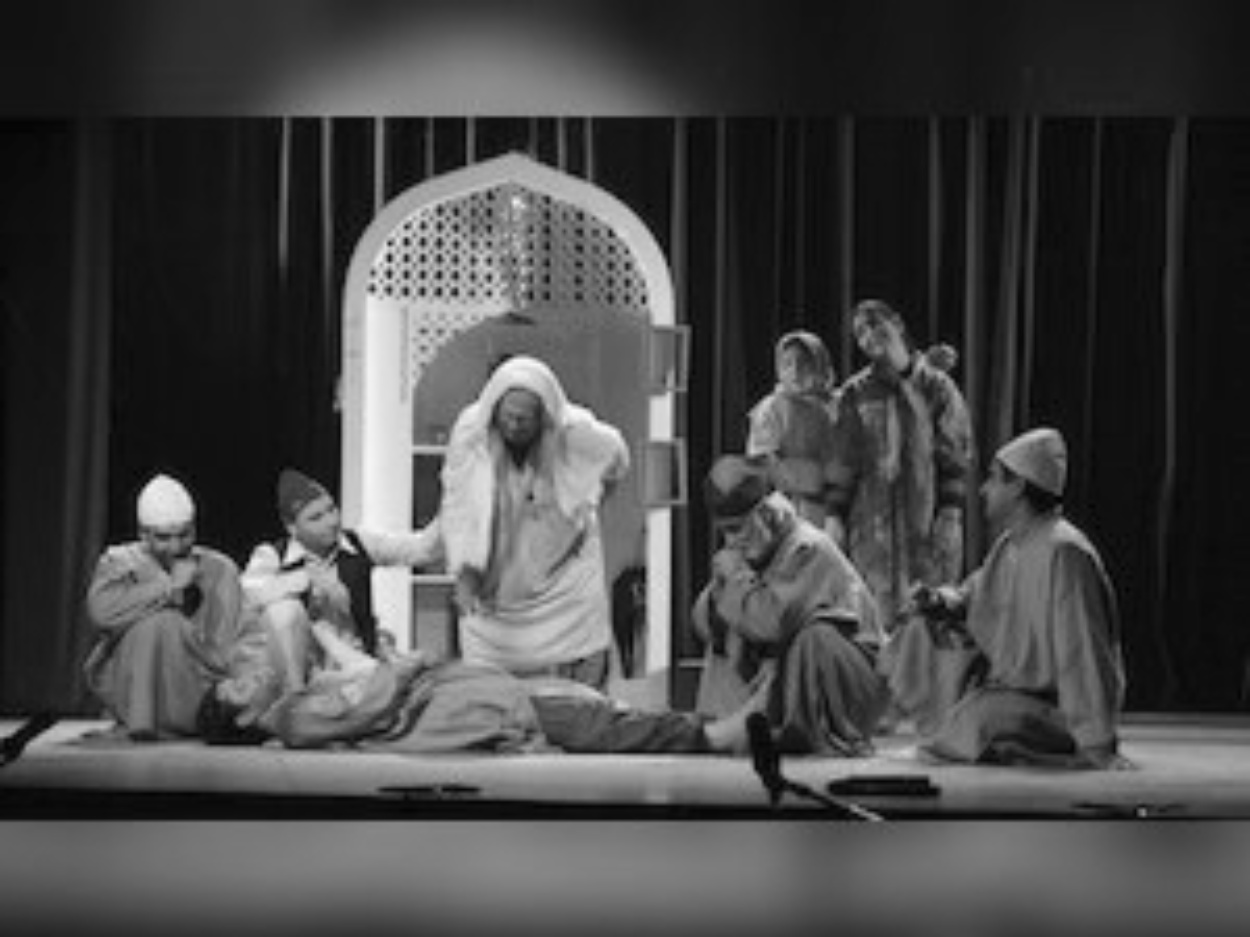
What sets this generation apart is its openness. These artists move easily between folk traditions and global theatre practices.
They collaborate, adapt and innovate, blending movement, music, multimedia and storytelling into forms that feel alive and responsive. For them, theatre is not a fixed structure. It is an ongoing process of discovery.
Legends, Memory, and Reclaimed Histories
Kashmir’s cultural identity is also shaped by its legends and folk memory. The story of Bawa Jitto, the 15th-century martyr farmer, continues to stand as a symbol of resistance against feudal oppression. Alongside him, the rediscovery of Isso, his marginalized Dalit companion, adds a deeper and more layered dimension to the narrative, highlighting solidarity across caste and class against figures such as Veer Singh Mehta. Such stories remind us that cultural memory is never simple. It is layered, contested, and constantly being reinterpreted. To preserve identity, it is not enough to remember the celebrated names alone; forgotten and marginalized voices must also be brought back into view.
Spaces of Memory and Performance
Art requires space to live. Institutions such as Tagore Hall in Srinagar have long served as important cultural centers, nurturing generations of artists. Built in honor of Rabindranath Tagore, the hall has witnessed decades of artistic expression.
A Living Resistance
Kashmir’s cultural landscape is sustained by a wide and committed community of artists who continue to create, perform and resist. This living resistance is carried forward by voices such as Mushtaq Ali Ahmad Khan, Amin Bhat, Shahijahan Bhagat, Gulzar Ganaie, Nisar Naseem, Manzoor Mir, Reshi Rasheed, Aiyash Arif and Manzoor Bhagat, along with countless others devoted to theatre and performance.
Their work is often carried out without adequate recognition or institutional support, yet it reflects an unwavering commitment to cultural continuity. Alongside them stand the folk theatre artists of Kashmir, whose persistence keeps traditions like Bhand Pather alive.
Together with digital creators such as Muneer Ahmad Dar and Tauqeer Ashraf and the growing network of theatre groups and collectives across the region, they form a powerful continuum bridging past, present and future.
Beyond Survival
Kashmir’s cultural struggle is not only about preservation. It is about continuity. It is about ensuring that the language remains spoken, theatre remains performed and stories remain told in forms that speak to the present while honoring the past. In this ongoing journey, artists are not just performers. They are custodians of memory and builders of the future. Through their work, Kashmir continues to speak, perform, and endure its voice changing with time but never fading.
Junaid Ahmad Rather is an actor, theatre-maker, and educator. Junaid has performed in more than 20 productions, exploring diverse theatrical forms and storytelling styles. He is currently an Assistant Professor at Parul University.