Across much of South Asia, governments have historically maintained a far more interventionist approach towards literature, cinema, and the arts than is common in most liberal democracies. Films and literary works frequently become subjects of official scrutiny over concerns ranging from political stability and religious sensitivities to national identity and public order. Bangladesh has been no exception. Owing to its complex political history, religious dynamics, and recurring tensions over national identity, state authorities have often exercised particularly close oversight of cultural production.
The history of Bangladeshi cinema is therefore not merely a history of artistic achievement; it is equally a history of conflict between creative expression and state authority. Over the decades, films have been banned, delayed, or trapped in prolonged censorship procedures for a wide range of reasons—political criticism, religious sensitivities, concerns over the country's international image, allegations of obscenity, or administrative technicalities.
This uneasy relationship dates back to the Pakistan era. Zahir Raihan's Jibon Theke Neya (Taken from Life, 1970) remains the earliest and most iconic example of political censorship in what is now Bangladesh. Beneath the story of a family, the film presented an unmistakable allegory of military dictatorship. The authorities quickly recognised the symbolism and attempted to block its release. Production was interrupted by the military, the director and actors were interrogated, and film reels were confiscated on the day of release. Public outrage, however, forced the censorship authorities to reverse their decision, allowing the film to be screened. Around the same time, Alamgir Kabir's Simana Periye (Beyond the Border) also encountered official resistance, although its criticism was expressed through more subtle symbolism.
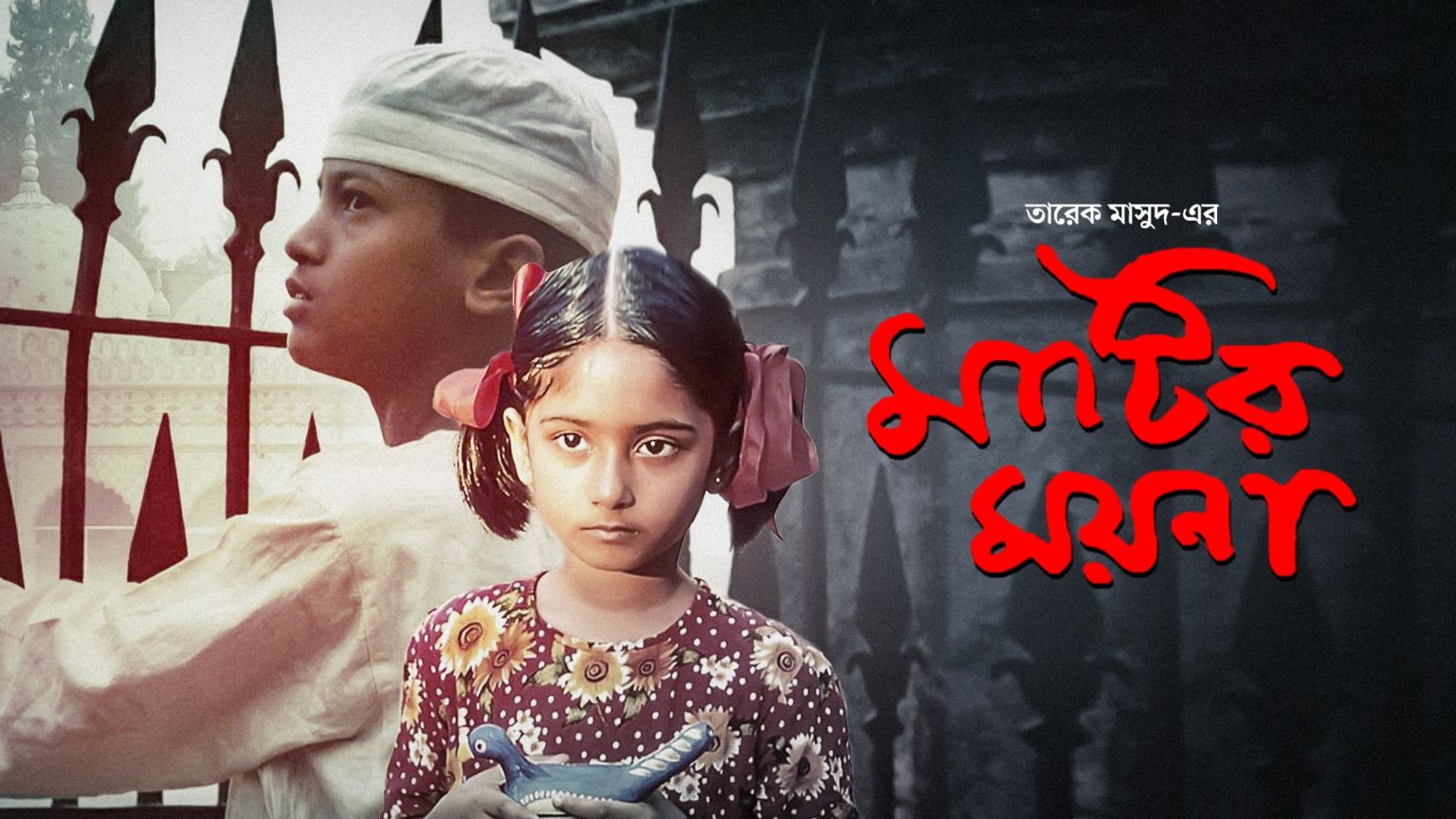
In independent Bangladesh, no censorship controversy has attracted greater international attention than Tareque Masud's Matir Moina (The Clay Bird, 2002). Although the film won the FIPRESCI Prize at the 55th Cannes Film Festival, it was simultaneously banned at home on the grounds that it portrayed the madrasa education system in a religiously sensitive and distorted manner. Set in East Pakistan during the 1960s, the film explored the conflict between religious orthodoxy and humanist values through the eyes of a young madrasa student. Widespread criticism from domestic and international media, combined with a successful legal appeal, eventually compelled the authorities to lift the ban later that year. The case remains a landmark in Bangladesh's continuing debate over artistic freedom and state control.
Governments have also invoked the protection of the country's image to justify censorship. Rana Plaza, based on the devastating 2013 factory collapse, was prohibited from release. A decade later, Mostofa Sarwar Farooki's Saturday Afternoon became one of the longest-running censorship disputes in Bangladeshi cinema. Inspired by the 2016 Holey Artisan terrorist attack, the film premiered at the Moscow International Film Festival to critical acclaim but remained blocked domestically. Officials argued that it could damage Bangladesh's international reputation and revive memories of a national tragedy. Although an appeal committee cleared the film in 2023, bureaucratic complications have continued to prevent its theatrical release.
Ironically, following the political transition of 5 August 2024, Farooki was appointed Cultural Adviser to Bangladesh's interim government with the status of a cabinet minister. Yet despite holding the country's highest policymaking position in the cultural sector, he has taken no visible steps to secure the domestic release of his own internationally acclaimed film. The reasons for this silence remain unexplained.
State sensitivity has also affected films representing marginalised communities. Ang Rakhine's short film Mor Thengari (My Bicycle), centred on the lives of the Chakma people, was screened at international festivals but remained without certification for years after being submitted to the authorities. According to the director, objections focused on scenes depicting Kaptai Lake, extortion, and indigenous religious practices—illustrating the challenges faced by filmmakers portraying ethnic minority communities.
The enactment of the Bangladesh Film Certification Act in 2023 replaced the traditional Censorship Board with a Certification Board, signalling an attempt at procedural reform. Yet controversies have persisted. Sajjad Khan's Kathgolap was banned outright in 2025 after remaining in bureaucratic limbo for nearly two years, although the official notification failed to specify clear reasons.
Across different political eras, the justifications for restricting films have evolved—from suppressing political dissent during the Pakistan period to invoking religious sensitivities, protecting national image, or enforcing administrative regulations in contemporary Bangladesh. Yet the underlying pattern has remained remarkably consistent. For filmmakers, censorship has rarely functioned as a transparent regulatory process; instead, it has often become an opaque mechanism through which political, ideological, and bureaucratic power shapes the boundaries of artistic expression.
Tapas Kumar Dutta is a Bangladeshi filmmaker, author and journalist.