Kolkata-based author and journalist Pratim Ranjan Bose explores the ongoing threat posed by Islamists in Bangladesh to the secular and progressive pledge over several decades.
LIFE has come full circle in Bangladesh. Mahfuj Alam, a cabinet member in Bangladesh’s Yunus-led interim administration (2024–2026), once described as the ‘mastermind’ behind the July 2024 student protests, recently claimed (in a Facebook post on 15 October 2026) that Bangladesh had taken a ‘radical’ Islamic turn following the political transition. He blamed Jamaat-e-Islami for dominating the intellectual space and predicted a further consolidation of power in favour of Islamists.
Alam is widely blamed for paving the way for the rise of Islamists. What he avoided speaking about, though, is how radical Islam created space for the resurgence of Islamist terror. An August 2026 UNSC (United Nation Security Council) report raised concerns that Al-Qaeda was attempting to exploit the situation to establish terrorist cells in Bangladesh.
The incumbent Tarique Rahman government of the BNP dismissed the concern, as did his mother, former Prime Minister Khaleda Zia, during 2001–2006, when Harkat-ul Jihad al-Islami Bangladesh (HuJI-B) and Jama’atul Mujahideen Bangladesh (JMB) – both designated ‘terror outfits’ linked to Osama Bin Laden’s Al-Qaeda – were on a rampage.
By January 2009, when the Sheikh Hasina government of the Awami League assumed office, Bangladesh had emerged as a major terror hub in South Asia, featuring on the Financial Action Task Force (FATF) grey list. There was no Global Terrorism Index in those days. The South Asia Terrorism Portal, run by the Institute for Conflict Management in New Delhi, listed hundreds of attacks.
Prime Minister Hasina adopted a zero-tolerance policy towards terrorism from the word go. Strong security cooperation with Delhi reduced the scope of cross-border terrorism. Bangladesh was delisted by FATF soon after Hasina’s re-election in 2014. Islamists tried to hit back, first through widespread violence and then by killing secular-liberal influencers. She nabbed them.
Terrorists struck back through the 2016 Holey Artisan incident, which killed 22, including 18 foreigners. ISIS claimed responsibility for the attack. She came down heavily on the network. There may be questions over her methods, but the results are undeniable. From a terror hub, Bangladesh became a top growth hotspot in the world under Hasina’s rule. With Hasina out, the country is once again slipping back into the grip of terror.
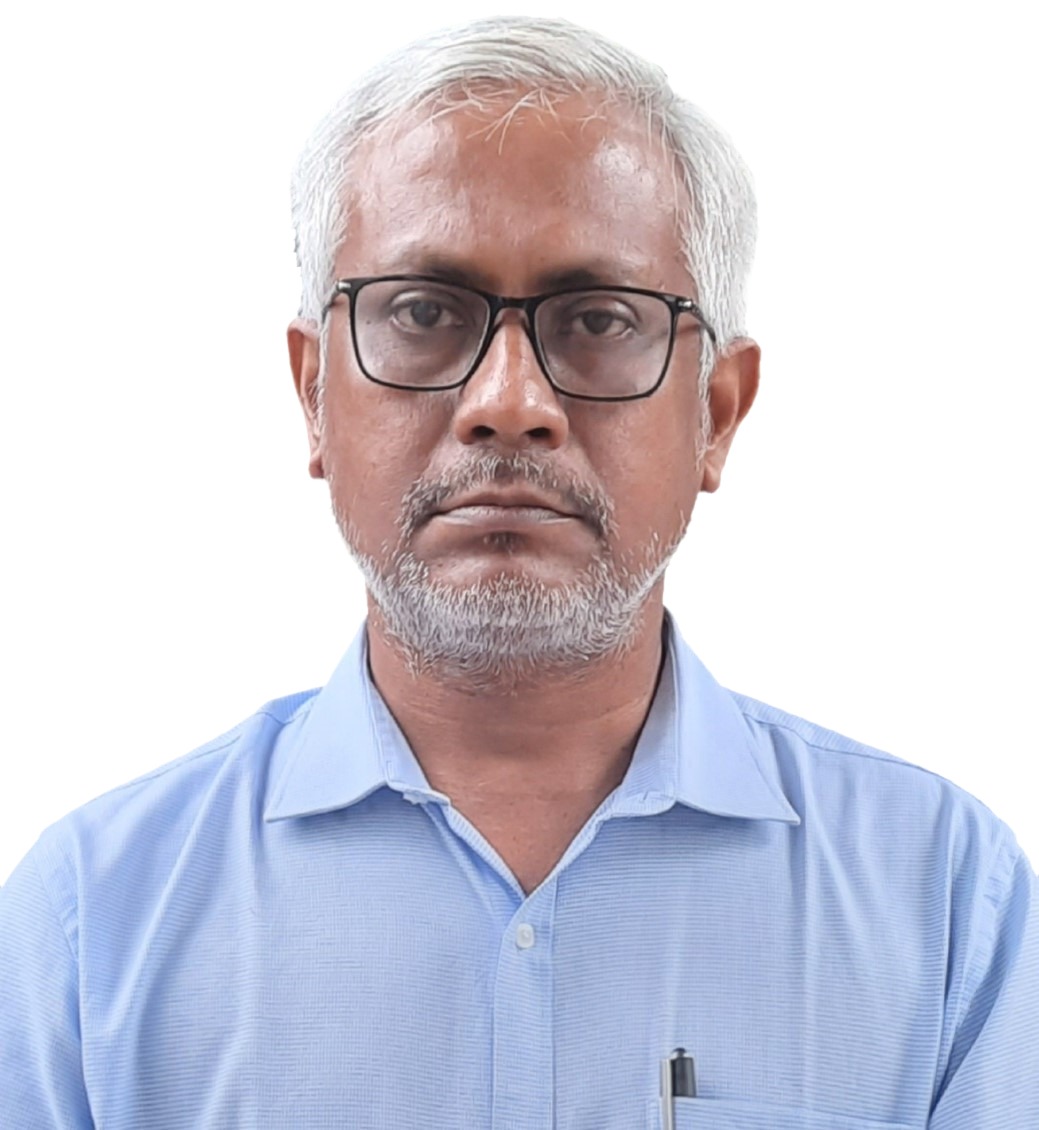
Pratim Ranjan Bose, based in Kolkata, is an independent commentator and public policy analyst. He was a senior editor in a major Indian media. He wrote extensively on Bangladesh affairs. Bose is documenting the journey of Bangladesh in handling radical Islam and terror in his forthcoming book, ’The Rise and Fall of Hasina’. To be published by the Indian arm of a European publisher, the book is expected to hit the stands in January 2027 during the 54th World Book Fair in Delhi.